


Responsive Design for Online Casino Websites: Creating Seamless Mobile Gaming Experiences
-
- 12/30/2025

The online casino industry has experienced unprecedented growth in mobile gaming, with over 70% of players now accessing platforms through smartphones and tablets. As industry experts at Legjobb Kaszino consistently highlight in their comprehensive platform reviews, responsive design has become the cornerstone of successful online casino operations, directly impacting user retention, engagement rates, and overall player satisfaction. Modern casino platforms must deliver flawless experiences across all devices, ensuring that games load quickly, interfaces remain intuitive, and transactions process securely regardless of screen size or operating system.
The Importance of Mobile-First Design in Online Gaming
Mobile-first design represents a fundamental shift in how developers approach online casino platforms. Rather than adapting desktop experiences for smaller screens, this methodology prioritizes mobile functionality from the initial development phase. The approach acknowledges that most players will interact with casino platforms through mobile devices, making it essential to optimize every element for touch interfaces, variable screen sizes, and mobile network conditions.
The gaming experience on mobile devices differs significantly from desktop interactions. Players expect instant load times, smooth animations, and intuitive navigation that requires minimal effort. Slot machines must spin seamlessly, card games need crisp graphics that remain visible on smaller screens, and live dealer games require stable video streaming that adapts to changing bandwidth conditions. These technical demands necessitate careful planning during the design phase, ensuring that performance remains optimal even on mid-range smartphones.
Key Principles of Responsive Casino Website Design
Successful responsive casino design relies on several fundamental principles that ensure consistent experiences across all devices. Fluid grid systems form the foundation, allowing content to scale proportionally based on viewport dimensions. This flexibility ensures that game thumbnails, promotional banners, and navigation menus adjust intelligently without breaking layouts or creating horizontal scrolling issues.
Touch-friendly interfaces represent another critical consideration. Button sizes must accommodate finger taps rather than precise mouse clicks, typically requiring minimum dimensions of 44×44 pixels to prevent accidental selections. Game controls need adequate spacing to avoid frustration, while swipe gestures should feel natural and responsive. These elements combine to create an intuitive experience that feels native to mobile devices rather than a compromised desktop port.
Essential Design Elements for Mobile Casino Platforms:
- Scalable vector graphics (SVG) for logos and icons that remain crisp at any resolution
- Flexible images that adapt to different screen densities without quality loss
- Simplified navigation menus that collapse into hamburger icons on smaller screens
- Prominent call-to-action buttons for deposits, withdrawals, and game launches
- Streamlined registration forms with auto-fill capabilities and minimal required fields
- Quick access to customer support through floating chat buttons or easy-to-find help sections
Typography also plays a crucial role in responsive casino design. Font sizes must scale appropriately across devices while maintaining readability. Heading hierarchies should guide users through content naturally, while body text needs sufficient line height and letter spacing to prevent eye strain during extended gaming sessions. Additionally, color contrast ratios must meet accessibility standards, ensuring that text remains legible against background images or gradient overlays.
Technical Implementation and Best Practices
Implementing responsive design for online casinos requires careful consideration of technical frameworks and development approaches. Modern CSS techniques like Flexbox and Grid Layout provide powerful tools for creating adaptable interfaces that respond gracefully to viewport changes. Media queries enable developers to define specific breakpoints where layout adjustments occur, ensuring optimal presentation on devices ranging from compact smartphones to ultra-wide desktop monitors.
Progressive web app (PWA) technology has emerged as a game-changer for mobile casino platforms. PWAs combine the accessibility of web applications with the performance characteristics of native mobile apps, offering offline functionality, push notifications, and home screen installation without requiring app store approval. This approach reduces development costs while providing users with app-like experiences that load instantly and update automatically.
Technical Considerations for Responsive Casino Development:
- Lazy loading for game thumbnails and images to improve initial page load times
- Service workers for caching critical assets and enabling offline access to account features
- WebP image format implementation for reduced file sizes without quality compromise
- Minification and compression of CSS, JavaScript, and HTML files
- Content delivery network (CDN) integration for faster asset delivery across geographic regions
- Asynchronous loading of non-critical scripts to prevent render-blocking
- Database query optimization to reduce server response times for game launches and account updates
JavaScript frameworks like React, Vue, or Angular facilitate the development of dynamic user interfaces that update efficiently without full page reloads. These technologies enable seamless transitions between games, instant balance updates after wins or losses, and real-time notifications for bonuses or promotional offers. However, developers must balance framework capabilities with performance overhead, ensuring that complex interactions don’t compromise loading speeds or create laggy experiences on lower-powered devices.
Optimizing Bonus Systems and Payment Methods for Mobile Users
Mobile optimization extends beyond visual design to encompass functional elements like bonus systems and payment processing. Hungarian players seeking Huf online casino options particularly value platforms that support local payment methods and display balances in forints rather than requiring mental currency conversions. Leading Hungarian-licensed operators like Vegas Casino, Grand Casino, and Kaszino.hu have set industry standards by obtaining SZTFH (Szerencsejáték Felügyelet) licenses and integrating popular local payment solutions including Simplepay, Barion, and traditional bank transfers alongside international options like Skrill, Neteller, and credit cards.
Bonus claim processes must function flawlessly on mobile devices, with clear terms presentation and one-tap activation systems. Welcome offers, deposit matches, and free spin promotions should display prominently without cluttering the interface, while wagering requirements and expiration dates need visibility without requiring navigation to separate terms pages. Push notifications can alert users to limited-time offers or remind them about unused bonuses, driving engagement without being intrusive.
Payment interfaces deserve special attention in responsive design. Deposit screens must load quickly and present clear options without overwhelming users with choices. Auto-fill capabilities for payment details reduce friction, while biometric authentication (fingerprint or facial recognition) enhances both security and convenience. Withdrawal processes should mirror this simplicity, providing transparent timeframes and allowing users to track transaction status directly from their mobile devices.
Testing and Performance Optimization
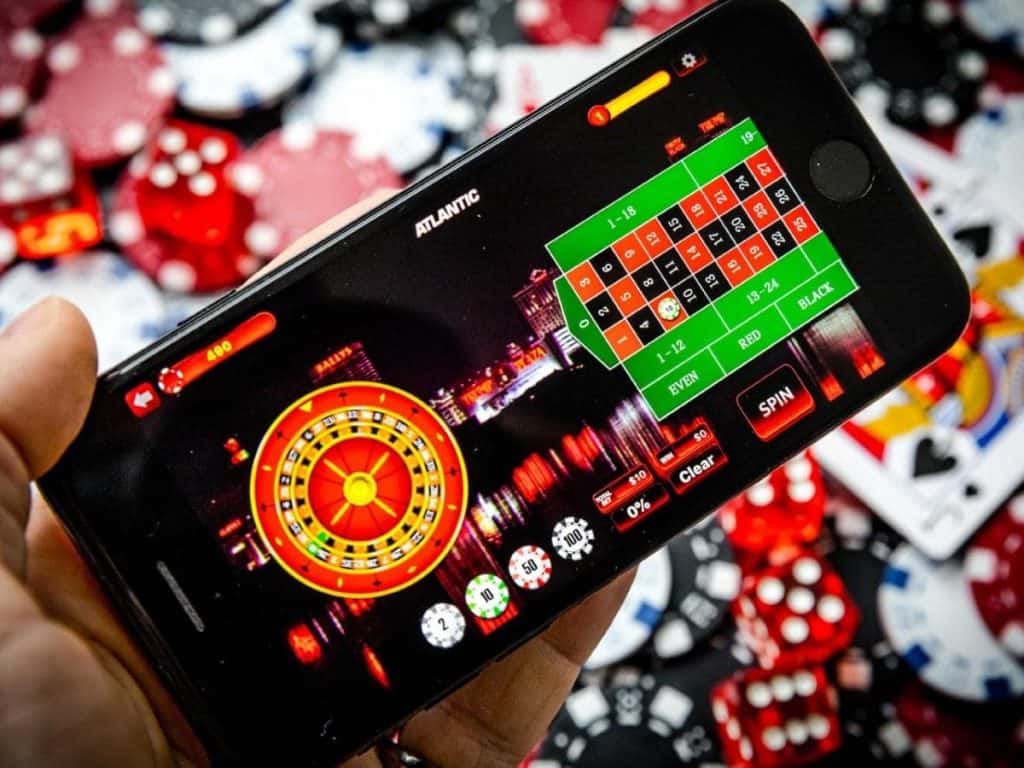
Comprehensive testing across devices, browsers, and network conditions ensures that responsive casino designs deliver consistent experiences for all users. Automated testing tools can verify layout integrity across dozens of viewport sizes simultaneously, while manual testing on actual devices reveals subtle issues that automated systems might miss. Performance testing under various network conditions—from high-speed WiFi to throttled 3G connections—helps identify bottlenecks that could frustrate users with slower internet access.
Browser compatibility testing remains essential despite standardization improvements in modern web technologies. Different rendering engines may interpret CSS rules slightly differently, potentially causing layout shifts or visual inconsistencies. Cross-browser testing tools expedite this process, though manual verification on major browsers (Chrome, Safari, Firefox, Edge) provides additional confidence in the final implementation.
Performance Metrics to Monitor:
- First Contentful Paint (FCP) – measuring when users see initial content
- Largest Contentful Paint (LCP) – tracking when primary content becomes visible
- Cumulative Layout Shift (CLS) – ensuring visual stability during page loading
- Time to Interactive (TTI) – determining when users can interact with the interface
- Total page weight and number of HTTP requests
Real-user monitoring (RUM) provides invaluable insights into actual performance experienced by players in diverse geographic locations and network conditions. This data reveals patterns that synthetic testing might overlook, such as regional CDN issues or device-specific problems affecting particular user segments.
Accessibility and Inclusive Design
Responsive casino design must also prioritize accessibility, ensuring that players with disabilities can enjoy gaming experiences without barriers. Screen reader compatibility allows visually impaired users to navigate platforms effectively, while keyboard navigation support benefits those unable to use pointing devices. Color blindness considerations inform palette choices, ensuring that critical information doesn’t rely solely on color differentiation.
ARIA (Accessible Rich Internet Applications) labels provide semantic meaning to interactive elements, helping assistive technologies interpret complex casino interfaces. Alternative text for images and icons ensures that decorative and functional graphics remain comprehensible to all users, while captions and transcripts for promotional videos extend content accessibility.
Conclusion
Responsive design for online casino websites represents a complex intersection of aesthetic appeal, technical performance, and user experience optimization. As mobile gaming continues dominating the industry, platforms that prioritize seamless cross-device experiences will retain competitive advantages over those treating mobile as an afterthought. By implementing mobile-first methodologies, leveraging modern web technologies, and maintaining rigorous testing protocols, developers can create casino platforms that engage users effectively regardless of how they choose to play. The future of online gaming belongs to platforms that recognize mobile devices as primary access points and design accordingly, delivering experiences that feel native, perform flawlessly, and keep players coming back for more.